
Introduction
Physiotherapy plays a vital role in helping people with autism reach their full potential. For many families, physiotherapy for autism is a key part of autism rehabilitation. It helps improve life skills in autism, such as balance, movement, and daily activities. Because every person with autism is unique, physiotherapy offers a personalized approach. With the right support, children and adults can gain more independence and confidence. In this blog, we will explore how physiotherapy unlocks new possibilities for people with autism.
What is Autism?
Autism, or autism spectrum disorder (ASD), is a condition that affects how a person thinks, learns, and interacts with others. People with autism may have challenges with communication, social skills, and behavior. However, each person’s experience is different. Some may need more support, while others can live independently. According to the CDC, about 1 in 36 children in the United States is diagnosed with autism. Early support and therapy can make a big difference in their lives.
How Physiotherapy Supports Children and Adults with Autism
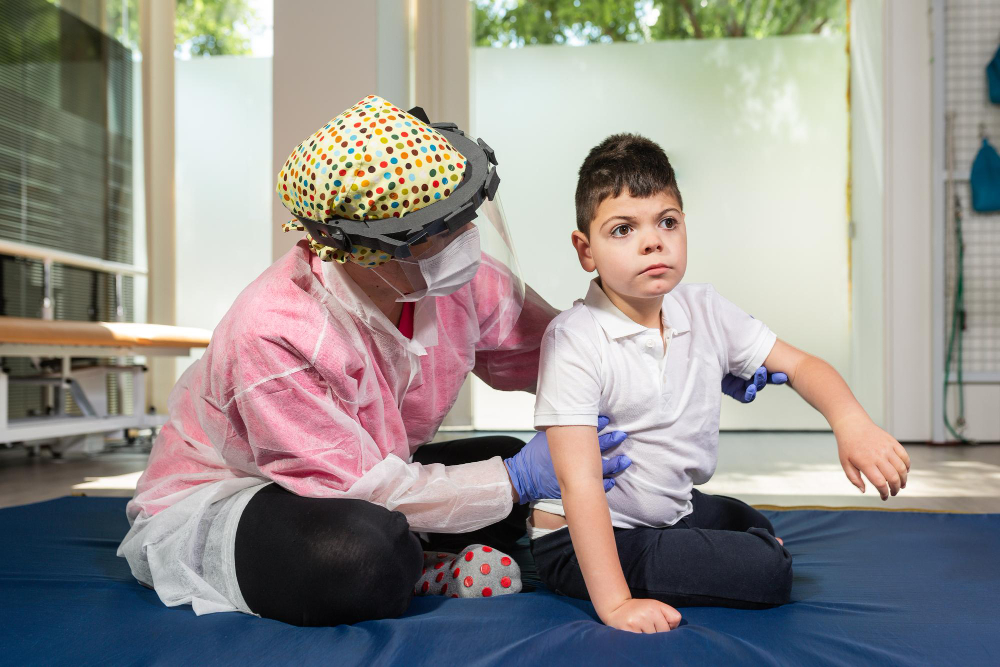
Physiotherapy helps people with autism by improving their movement and physical skills. For example, many children with autism have trouble with balance, coordination, or muscle strength. Because of this, they may find it hard to play, walk, or join in group activities. Physiotherapists use special exercises and games to help build these skills. In addition, they teach families how to support their loved ones at home. Adults with autism can also benefit, as physiotherapy helps them stay active and independent.
Key Benefits of Physiotherapy in Autism
Physiotherapy offers many benefits for people with autism. Some of the main advantages include:
Because every person is different, physiotherapists create a plan that fits each individual’s needs.
Common Physiotherapy Techniques for Autism
Physiotherapists use a range of techniques to help people with autism. Some common methods include:
Often, physiotherapists make these activities fun and playful. This helps children stay engaged and motivated.
How to Start Physiotherapy for Autism: Steps and Tips
Starting physiotherapy for autism is simple if you follow these steps:
Additionally, ask about local resources or support groups in your area. Many communities offer special programs for autism rehabilitation and improving life skills in autism.
Success Stories and Real-Life Impact
Many families have seen great progress with physiotherapy for autism. For example, a young boy who struggled to walk safely learned to balance and run with confidence. Another child, who found it hard to play with others, gained the strength and skills to join group games at school. Adults with autism have also improved their posture and movement, making daily life easier. These stories show that, with the right support, people with autism can achieve more than they ever thought possible.
Prevention and Lifestyle Guidance for Families
While autism cannot be prevented, families can help their loved ones thrive. Here are some tips:
Because early support makes a difference, start therapy as soon as possible. Remember, every small step counts.
Conclusion
Physiotherapy is the key to unlocking potential in autism. It helps children and adults build strength, confidence, and independence. If you have questions or want to learn more, consult a qualified physiotherapist for personalized autism support.