What Is Oral Cancer?
Oral cancer is a disease that starts in the mouth or throat. It can affect the lips, tongue, cheeks, or the roof and floor of the mouth. Because oral cancer can grow quietly, many people do not notice it early. However, regular oral cancer screening can help find signs before the disease spreads. According to the World Health Organization, early detection improves the chances of successful treatment.
Why Early Detection Matters
Early detection of oral cancer saves lives. When doctors find cancer early, treatment is often easier and more effective. In contrast, late-stage oral cancer can be harder to treat and may spread to other parts of the body. For this reason, regular oral cancer screening is important, especially for people with risk factors. Early action can make a big difference in health outcomes.
Common Symptoms of Oral Cancer
Sometimes, oral cancer does not cause pain at first. Still, you should watch for certain signs. For example, you may notice:
Because these symptoms can also be caused by other conditions, it is important to see a doctor or dentist if they last more than two weeks.
Risk Factors for Oral Cancer
Several things can raise your risk for oral cancer. For instance, tobacco use is a leading cause. Both smoking and chewing tobacco increase risk. In addition, drinking alcohol often can make the risk higher. Other risk factors include:
While some risk factors cannot be changed, many can be managed with healthy choices.
Overview of Oral Cancer Screening Methods
Oral cancer screening helps find early signs of disease. Dentists or doctors usually perform these checks during routine visits. Common screening methods include:
Although these tests do not diagnose cancer, they help find areas that may need further testing.
What to Expect During an Oral Cancer Screening
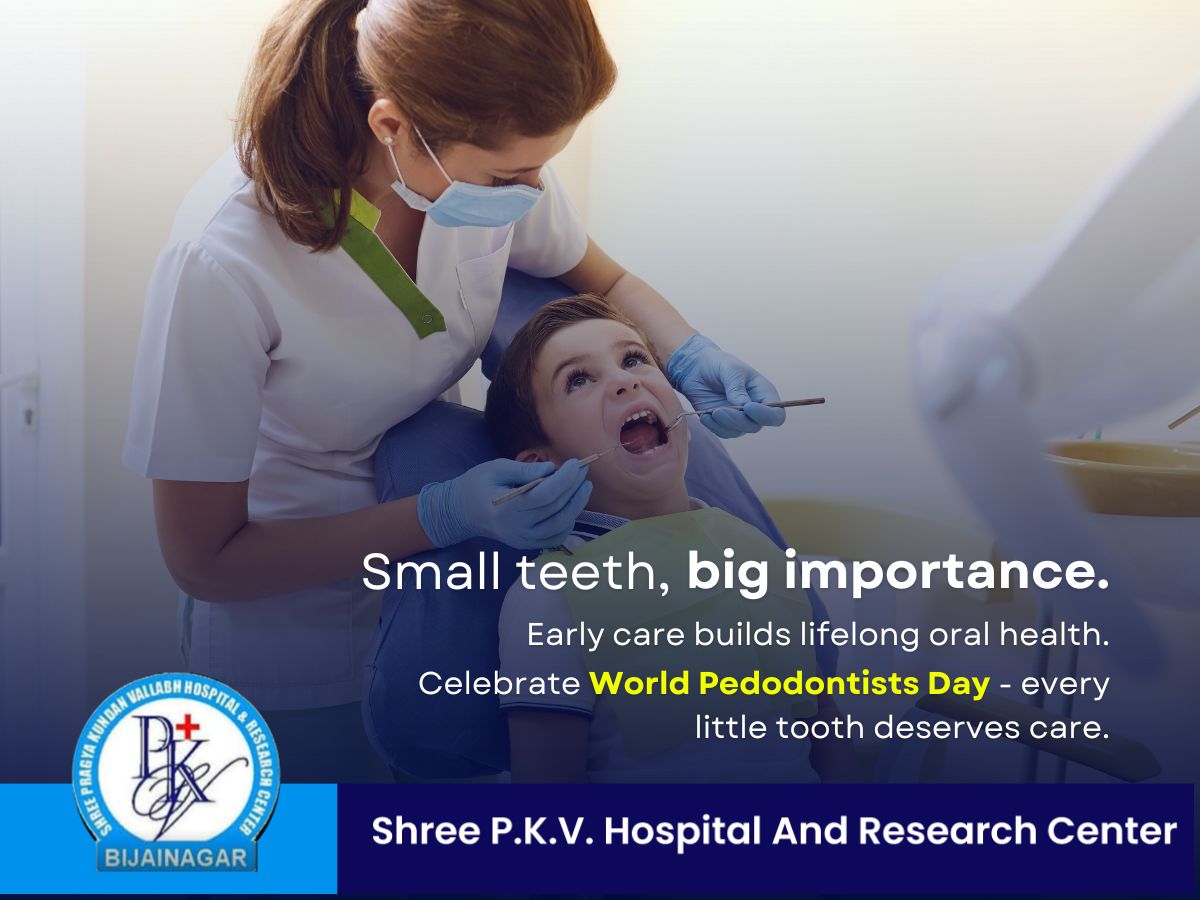
During an oral cancer screening, you will sit in a dental chair. First, the doctor or dentist will ask about your health and any symptoms. Next, they will look inside your mouth, checking the lips, tongue, gums, and throat. In addition, they may feel your jaw and neck for lumps. Sometimes, they use a small mirror or light to see better. Most screenings take only a few minutes and do not cause pain.
How to Prepare for a Screening
Getting ready for an oral cancer screening is simple. You do not need to fast or change your routine. However, you should:
By sharing this information, you help your doctor give you the best care possible.
Prevention Tips and Lifestyle Guidance
While not all cases can be prevented, you can lower your risk for oral cancer. For example, you can:
Because early detection of oral cancer leads to better outcomes, staying alert to symptoms and risk factors is key. Regular screenings and healthy habits help protect your mouth and overall health.
Summary
If you notice any changes in your mouth or have risk factors, schedule an oral cancer screening soon. WhiteCoats Early checks can help protect your health and give you peace of mind.