Introduction
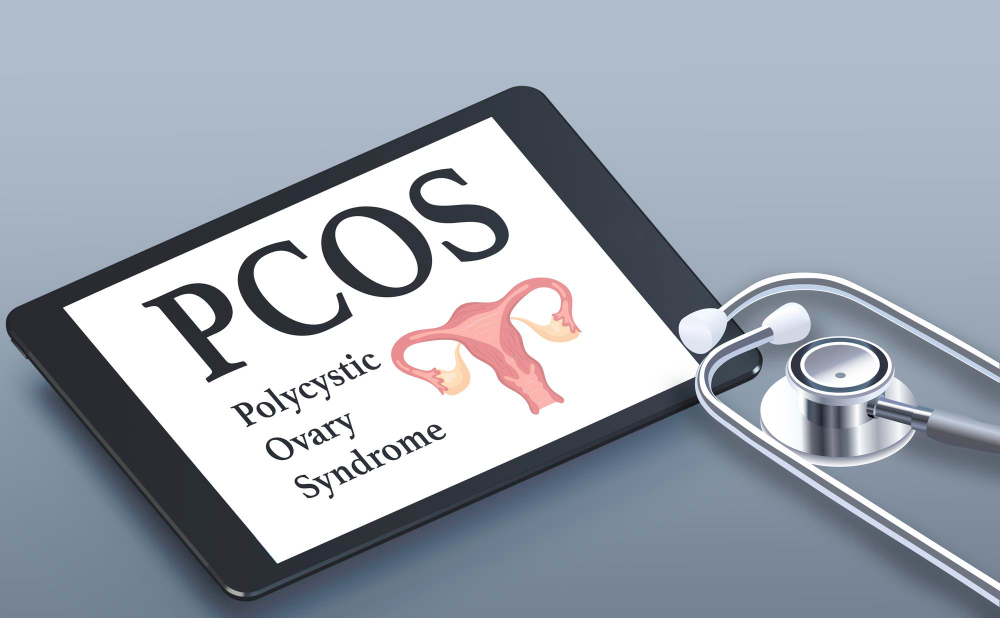
Polycystic Ovary Syndrome (PCOS), sometimes called PMOS, is a common health issue among women. Managing PMOS/PCOS with guided physiotherapy can help restore hormonal balance, improve metabolic health, and boost overall wellbeing. While many people know about medicines for PCOS, fewer realize that physiotherapy for PCOS offers real benefits. In this blog, you will learn how guided physiotherapy can help manage symptoms and support a healthier lifestyle.
What is PMOS/PCOS?
PCOS stands for Polycystic Ovary Syndrome. It affects up to 1 in 10 women of childbearing age, according to the World Health Organization (WHO). Women with PCOS may have irregular periods, extra hair growth, or trouble getting pregnant. PMOS is another term sometimes used for this condition. Because PCOS can affect hormones, metabolism, and even mood, it can impact daily life. Early diagnosis and proper management are important for long-term health.
Common Symptoms and Causes of PMOS/PCOS
Many women with PCOS notice a mix of symptoms. However, not everyone has the same signs. Common symptoms include:
Doctors are not sure what causes PCOS. But, it often runs in families. Hormone imbalance and insulin resistance play a big role. Insulin resistance means the body has trouble using insulin, which can lead to higher blood sugar levels. This can make symptoms worse.
The Role of Guided Physiotherapy in Managing PMOS/PCOS
Guided physiotherapy for PCOS is a safe and effective way to manage symptoms. With the help of a trained physiotherapist, women can learn special exercises and stretches. These activities are designed to improve hormone balance, reduce pain, and boost energy. In addition, physiotherapy can help with weight management and stress relief. Because every woman is different, a physiotherapist will create a plan that fits your needs.
How Physiotherapy Restores Hormonal Balance
Hormonal balance is key for women with PCOS. Guided physiotherapy uses movement and exercise to help the body work better. For example, regular physical activity can lower stress hormones and improve the way your body uses insulin. As a result, this can help regulate periods and reduce other symptoms. Some common hormonal balance exercises include:
According to the Centers for Disease Control and Prevention (CDC), regular exercise can help balance hormones and improve mood.
Improving Metabolic Health through Physiotherapy
Metabolic health means how well your body turns food into energy. Many women with PCOS have trouble with this process. Guided physiotherapy can help improve metabolic health in PCOS by:
For example, regular aerobic exercise and strength training can make your body more sensitive to insulin. This means your body can use sugar better, which helps control symptoms. Studies in medical journals show that even small changes in activity can make a big difference.
Enhancing Overall Wellbeing: Lifestyle and Exercise Tips
Besides guided physiotherapy, small lifestyle changes can help manage PCOS. Here are some simple tips:
Moreover, joining a support group or talking to others with PCOS can help you stay motivated. Remember, small steps can lead to big changes over time.
Evidence-Based Benefits: Research and Clinical Insights
Many studies support the use of physiotherapy for PCOS. For instance, research published in peer-reviewed journals shows that regular exercise can improve hormone levels, reduce weight, and lower the risk of diabetes. The World Health Organization also recommends physical activity as part of PCOS lifestyle management. In addition, women who follow a guided physiotherapy plan often report better mood and less pain.
Prevention and Long-Term Management Strategies
While PCOS cannot always be prevented, healthy habits can lower your risk of problems. Long-term management includes:
Because PCOS is a lifelong condition, ongoing care is important. With the right support, many women lead healthy, active lives.
Conclusion
Managing PMOS/PCOS with guided physiotherapy can restore hormonal balance, improve metabolic health, and enhance overall wellbeing. With expert help, you can take control of your symptoms and feel better every day. Consult a certified physiotherapist or healthcare provider for personalized PCOS management.