Introduction
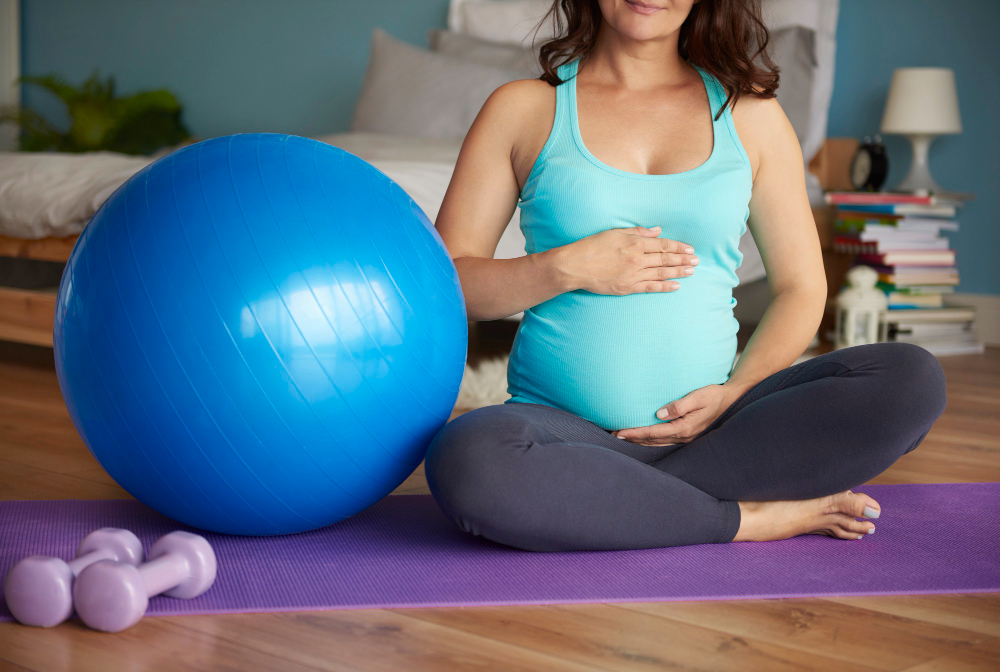
Pre-natal physiotherapy is a special type of care for pregnant women. It uses gentle exercises and movements to help the body adjust to pregnancy changes. In fact, pre-natal physiotherapy can make pregnancy more comfortable. Many women experience aches, pains, or swelling during pregnancy. However, with the right support, these issues can be managed. According to the World Health Organization (WHO), staying active during pregnancy is important for both mother and baby. Therefore, pre-natal physiotherapy is a safe way to stay active and healthy.
Key Benefits of Pre-natal Physiotherapy
There are many pre-natal physiotherapy benefits for expectant mothers. For example, it can help with:
Moreover, physiotherapy during pregnancy may lower the risk of certain problems, such as gestational diabetes or high blood pressure. The Centers for Disease Control and Prevention (CDC) also notes that regular activity supports a healthy pregnancy.
Common Techniques Used
Pre-natal physiotherapists use many gentle and safe methods. Some common techniques include:
Additionally, your physiotherapist may suggest home exercises. They will always choose safe pregnancy exercises that fit your needs.
Safety Considerations
Safety is very important during pre-natal physiotherapy. Always talk to your doctor before starting any new exercise. A certified physiotherapist will:
Furthermore, avoid high-impact or risky activities. If you feel pain, dizziness, or shortness of breath, stop right away and tell your therapist. According to the American College of Obstetricians and Gynecologists, most women can exercise safely during pregnancy with the right guidance.
How to Get Started
Getting started with physiotherapy during pregnancy is simple. First, ask your doctor if pre-natal physiotherapy is right for you. Next, look for a certified physiotherapist who has experience with pregnant women. Here are some tips:
Once you find the right expert, they will create a plan just for you. This plan will include safe pregnancy exercises and advice for each stage of pregnancy.
Frequently Asked Questions
Conclusion
In summary, pre-natal physiotherapy offers many benefits for pregnant women. It can reduce pain, improve strength, and help you prepare for labor. With the right guidance, it is safe and effective. Therefore, consult a certified physiotherapist for personalized pre-natal care.