What is Scoliosis?
Scoliosis is a condition where the spine curves sideways. Usually, the curve looks like an “S” or “C” shape. While some people have mild curves, others may notice more severe changes. Often, scoliosis appears during childhood or teenage years. However, adults can develop it too. Early detection is important for better scoliosis management with physiotherapy.
Common Symptoms and Causes
Many people with scoliosis do not feel pain at first. Yet, as the curve worsens, symptoms can appear. For example, you might notice:
There are several causes of scoliosis. Sometimes, it runs in families. Other times, it can happen after an injury or due to conditions like cerebral palsy. In many cases, the cause is unknown. Still, early treatment can help manage symptoms.
How Physiotherapy Helps in Scoliosis Management
Physiotherapy is a key part of non-surgical scoliosis treatment. It can help reduce pain, improve posture, and slow curve progression. With expert guidance, you can learn safe movements and stretches. In addition, physiotherapy for scoliosis in your area can be tailored to your needs. According to the World Health Organization (WHO), early and regular therapy can make a big difference.
Key Physiotherapy Techniques for Scoliosis
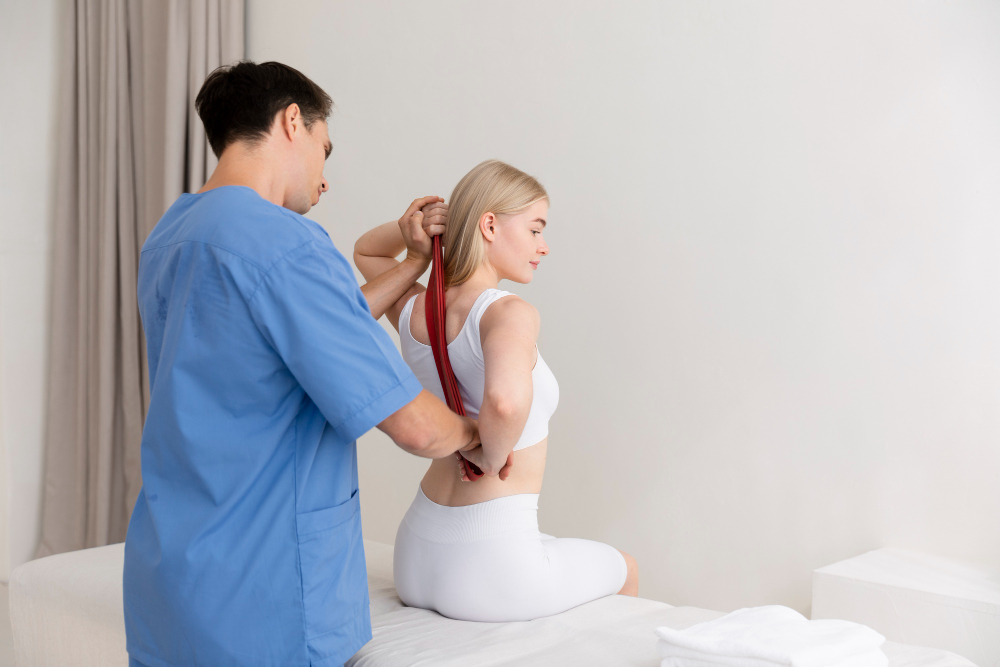
Physiotherapists use many methods to help manage scoliosis. Some common scoliosis physiotherapy exercises and techniques include:
Moreover, your physiotherapist may design a home exercise plan. This helps you stay active and manage scoliosis daily.
Benefits of Physiotherapy Over Other Treatments
Physiotherapy offers several advantages compared to other treatments. For instance, it is non-invasive and does not involve surgery. Also, it focuses on long-term health and function. Here are some key benefits:
Because physiotherapy is safe for most ages, it is a popular choice for many families.
Lifestyle Tips and Home Exercises
Along with regular sessions, you can follow simple tips at home. These steps can support your scoliosis management:
Always ask your physiotherapist before starting new exercises. This ensures you stay safe and avoid injury.
Prevention and Early Intervention
While not all cases of scoliosis can be prevented, early action helps. For example, regular check-ups for children can catch changes early. If you notice uneven shoulders or hips, see a doctor soon. Early physiotherapy can stop the curve from getting worse. In addition, healthy habits like good posture and exercise support a strong spine.
When to Consult a Physiotherapist
If you or your child notice signs of scoliosis, do not wait. It is important to consult a qualified physiotherapist. They can assess your posture, design a treatment plan, and teach you safe exercises. Even if you already have a diagnosis, regular visits help track progress. Remember, early and ongoing care leads to the best results.
In summary, scoliosis management with physiotherapy can transform your quality of life. Consult a qualified physiotherapist for personalized scoliosis management and guidance.