What Is Oral Cancer?
Oral cancer is a disease that starts in the mouth. It can affect the lips, tongue, cheeks, or throat. According to the World Health Organization, oral cancer is a serious health problem worldwide. However, early detection of oral cancer can help improve treatment results. Oral cancer screening methods are important for finding changes before they become serious.
Why Early Detection Matters
Early detection of oral cancer can save lives. When doctors find cancer early, treatment is often easier and more successful. In fact, the Centers for Disease Control and Prevention (CDC) reports that people diagnosed early have a higher chance of recovery. Because oral cancer can spread quickly, regular screening helps catch problems before they grow.
Common Symptoms of Oral Cancer
Knowing the signs of oral cancer is important. Sometimes, symptoms are easy to miss. For example, some people may notice:
If you notice any of these oral cancer symptoms, you should see a dentist or doctor.
Risk Factors for Oral Cancer
Several things can raise your risk for oral cancer. While some risks can be lowered, others cannot. These oral cancer risk factors include:
Even if you do not have these risk factors, regular oral cancer screening methods are still helpful.
Overview of Oral Cancer Screening Methods
Doctors and dentists use different oral cancer screening methods to look for signs of cancer. Some methods are simple and quick. Others may use special tools or lights. Common screening methods include:
Each method helps find early signs of oral cancer. However, not all changes mean cancer is present.
How Oral Cancer Screening Is Performed
Oral cancer screening usually happens during a dental checkup. First, the dentist will ask about your health and any symptoms. Next, they will look inside your mouth and throat. Sometimes, they use a small mirror to see hard-to-reach spots. If needed, the dentist may use a special light or dye to highlight problem areas. In some cases, they gently press on the neck and jaw to feel for lumps. If they find something unusual, they may collect a small sample of cells for testing.
What to Expect During a Screening
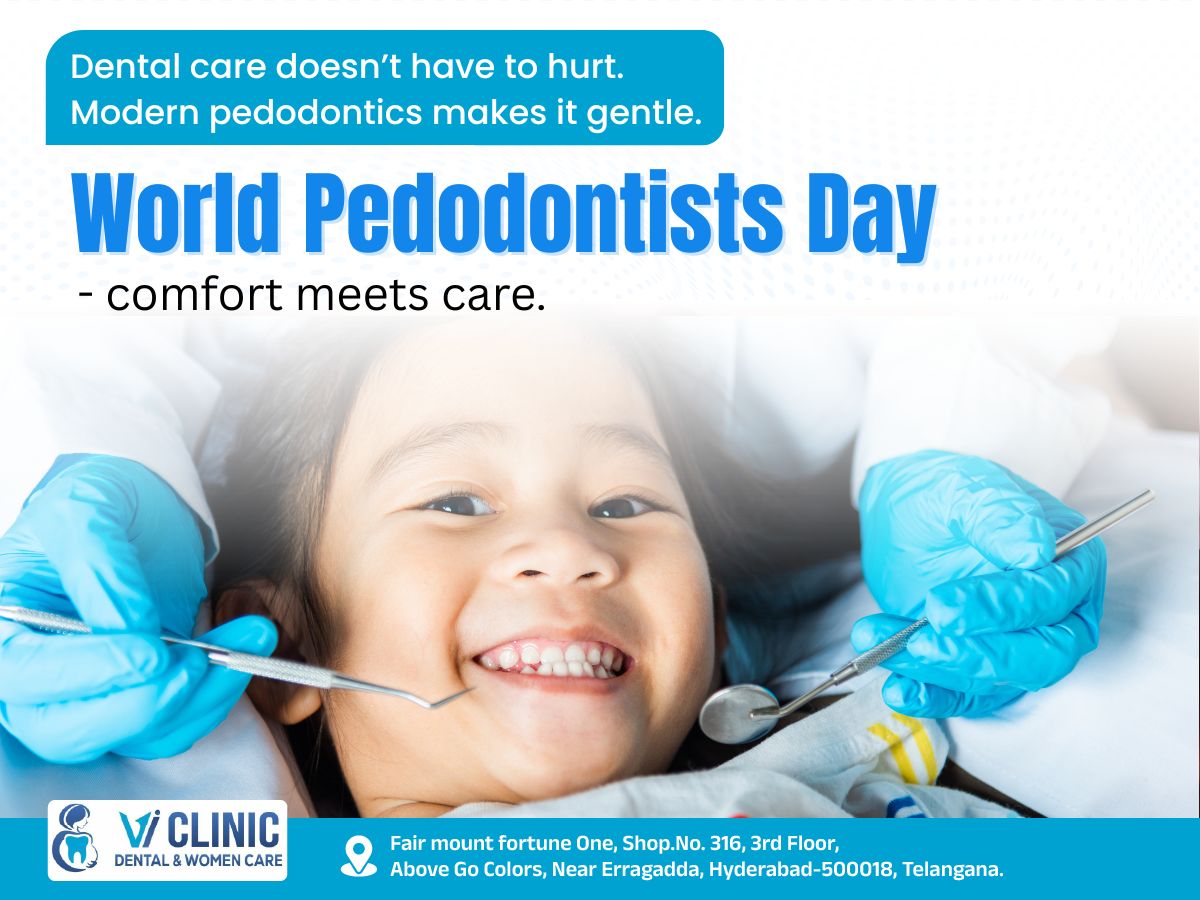
Most oral cancer screenings are quick and painless. Usually, you sit in a dental chair while the dentist checks your mouth. For example, you may be asked to open wide and move your tongue. The dentist may use gloves and a light to see better. If a special dye or light is used, it does not hurt. Sometimes, you may feel gentle pressure if the dentist checks for lumps. If a brush biopsy is needed, you may feel a slight scratch, but it is not usually painful.
Limitations and Accuracy of Screening Methods
While oral cancer screening methods are helpful, they are not perfect. Sometimes, screenings may miss small or hidden changes. Also, not every abnormal area is cancer. Because of this, further tests may be needed. According to the CDC, regular screenings lower the risk of missing early signs. However, no screening can find every case. It is important to follow up with your dentist if you notice symptoms between visits.
Tips for Maintaining Oral Health and Reducing Risk
Good oral health can help lower your risk of oral cancer. You can take simple steps at home. For example:
By following these tips, you can help keep your mouth healthy and lower your risk of oral cancer.