Introduction: What Is Post-Neurosurgery Rehabilitation?
After brain or spine surgery, many people need post-neurosurgery rehabilitation. This process helps patients regain strength, movement, and daily skills. In fact, recovery after brain surgery can be slow and challenging. However, with the right support, most people make steady progress. Rehabilitation support for neurosurgery patients is vital for a safe and healthy recovery. According to the World Health Organization (WHO), early rehab improves outcomes and quality of life.
Common Symptoms and Challenges After Neurosurgery
Every patient is different, but some symptoms are common after neurosurgery. For example, you may notice:
Sometimes, these symptoms make daily life harder. But with help, most people improve over time. Still, recovery after brain surgery can feel slow. That is why patience and support are so important.
Goals and Phases of Rehabilitation
Rehabilitation has clear goals. First, it aims to help you regain lost skills. Second, it works to prevent new problems. Third, it helps you return to daily life as much as possible. Usually, rehab happens in phases:
Each phase is important. Moreover, your rehab team will adjust your plan as you improve.
Typical Rehabilitation Therapies and Interventions
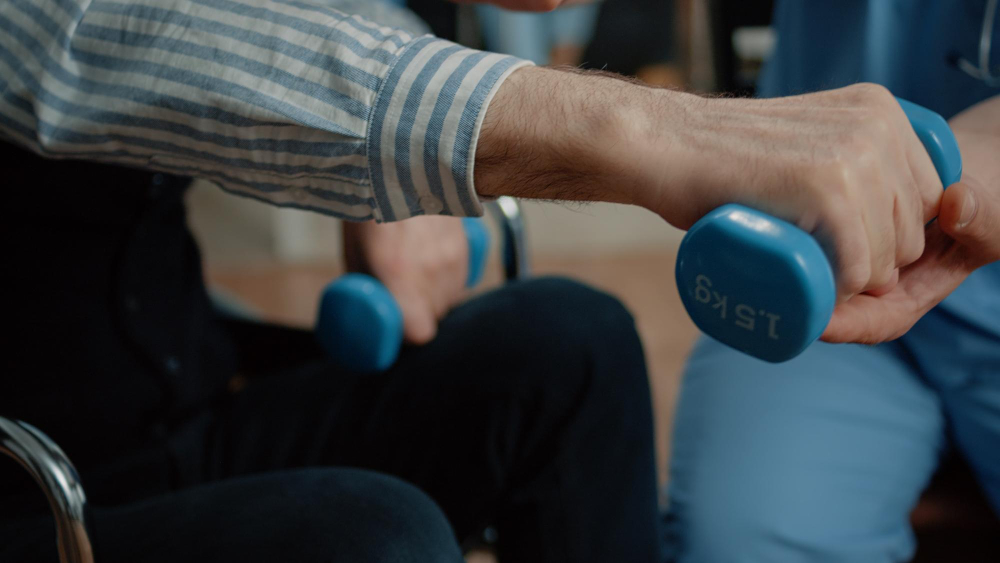
Many therapies help with recovery after brain surgery. Your rehab team may include several specialists. For example:
Sometimes, you may need other therapies, such as counseling or social work. Each therapy plays a key role in your recovery journey.
Tips for Patients and Families to Support Recovery at Home
After leaving the hospital, home support is crucial. Here are some tips to help:
With these steps, you can make steady progress. Plus, family support makes a big difference.
Prevention of Complications and Promoting Long-Term Health
Preventing problems is just as important as recovery. For instance, you can:
Additionally, regular exercise and a healthy lifestyle support long-term health. The Centers for Disease Control and Prevention (CDC) recommends staying active and managing stress for better recovery.
When to Seek Professional Help
Sometimes, problems can arise during recovery. You should contact your doctor or rehab team if you notice:
Early help can prevent serious issues. Therefore, do not wait if you are worried about any symptoms.
Conclusion: Take the Next Step in Recovery
Post-neurosurgery rehabilitation is a journey. With the right therapies and support, most people regain skills and confidence. Remember, every step counts. Consult a rehabilitation specialist for personalized recovery guidance.